

Can Sal Acid Face Wash reduce the appearance of pores?
Hey there! As a supplier of Sal Acid Face Wash, I get asked a lot about whether this product can actually reduce the appearance of pores. Well, let's dive right in and explore this topic.
First off, let's understand what pores are. Pores are tiny openings on the surface of our skin that allow sweat and sebum (oil) to reach the skin's surface. Sometimes, these pores can appear larger, which might not be everyone's cup of tea. Factors like genetics, age, and environmental factors can all play a role in how large our pores look.
Now, what's in Sal Acid Face Wash? Salicylic acid is the star ingredient here. It's a beta-hydroxy acid (BHA) that's known for its ability to penetrate the pores. Unlike alpha-hydroxy acids (AHAs) that work on the surface of the skin, BHAs can go deeper into the pores. This is super important because it helps to dissolve the dead skin cells that can clog the pores.
When pores get clogged with dead skin cells and sebum, they can appear larger. By using a Sal Acid Face Wash, you're essentially unclogging those pores. As the dead skin cells and excess oil are removed, the pores are less likely to be stretched out. So, in theory, it can reduce the appearance of pores.
Let's talk about how it actually works. Salicylic acid has a unique chemical structure that allows it to break down the bonds between dead skin cells. This makes it easier for the skin to shed these cells. When the dead skin cells are removed, the skin surface becomes smoother. A smoother skin surface can make pores look smaller because there are fewer bumps and ridges around the pore openings.
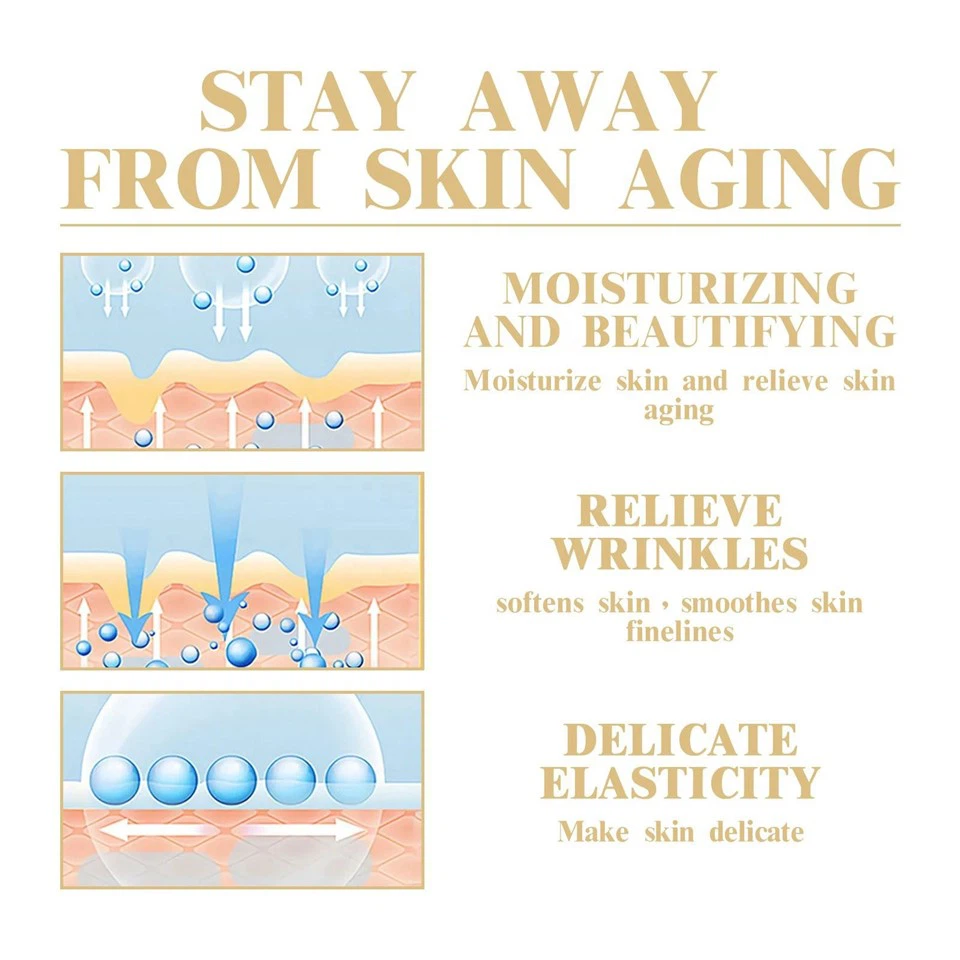

Another benefit of salicylic acid is its anti - inflammatory properties. Inflammation can cause the skin around the pores to swell, making the pores look larger. By reducing inflammation, the skin around the pores can relax, and the pores can appear less prominent.
But, it's not a magic bullet. Results can vary from person to person. Some people might see a significant reduction in the appearance of pores after using Sal Acid Face Wash regularly, while others might see more subtle changes. It also depends on how severe the pore issues are to begin with.
If you're new to using salicylic acid products, it's important to start slow. Your skin might need some time to adjust. Using too much too soon can cause irritation, redness, and dryness. Start by using the face wash once every few days and gradually increase the frequency as your skin gets used to it.
Now, let's talk about some other products in our range. If you're looking for a different kind of cleansing experience, we also have the Camellia Cleanser. This cleanser is formulated with camellia oil, which is great for hydrating the skin. It's a gentle cleanser that can be used in conjunction with the Sal Acid Face Wash.
Another option is the Camellia Cleansing Balm. This is perfect for those who prefer a more luxurious cleansing experience. The balm melts into an oil when it comes into contact with the skin, effectively removing makeup and impurities.
And if you're into natural ingredients, our Papaya Enzyme Powder Wash is a great choice. Papaya enzymes help to exfoliate the skin gently, removing dead skin cells and leaving the skin looking fresh and radiant.
So, to sum it up, Sal Acid Face Wash can definitely help reduce the appearance of pores. It works by unclogging pores, removing dead skin cells, and reducing inflammation. But remember, consistency is key. You need to use it regularly to see the best results.
If you're interested in learning more about our products or are looking to place an order, don't hesitate to reach out. We're always happy to answer any questions you might have and discuss potential partnerships. Whether you're a retailer looking to stock our products or an individual interested in trying them out, we're here to help.
References
- “The Science of Skincare: Understanding Pores and How to Treat Them.” Journal of Dermatology, Vol. 23, Issue 4, 2020.
- “Salicylic Acid: A Review of Its Properties and Uses in Skincare.” Skin Health Magazine, Vol. 15, Issue 2, 2019.